Logics of the decoy
〰️
Logics of the decoy 〰️
“I have often… invoked the image of the decoy, a lure that attracts attention by posing as something immediately—reassuringly, attractively—known. The disclosure of the decoy’s otherness unsettles certainty and disrupts expectations. I retain the hope that in some small measure my work can help us ‘see through’ the commonsensical notion regarding things as they are: that this is how they must be. This is the first step toward change of any magnitude.”
-Martha Rosler, in Decoys and Disruptions: Selected Writings, 1975–2001. (Cambridge, MA: MIT Press, 2004), vii.
“Birds, like people, react mainly to the key characteristics that identify an object.”
-Adele Earnest, in “The Wildfowl Decoy,” How to Know American Folk Art: Eleven Experts Discuss Many Aspects of the Field. (New York: Dutton, 1977), 37.
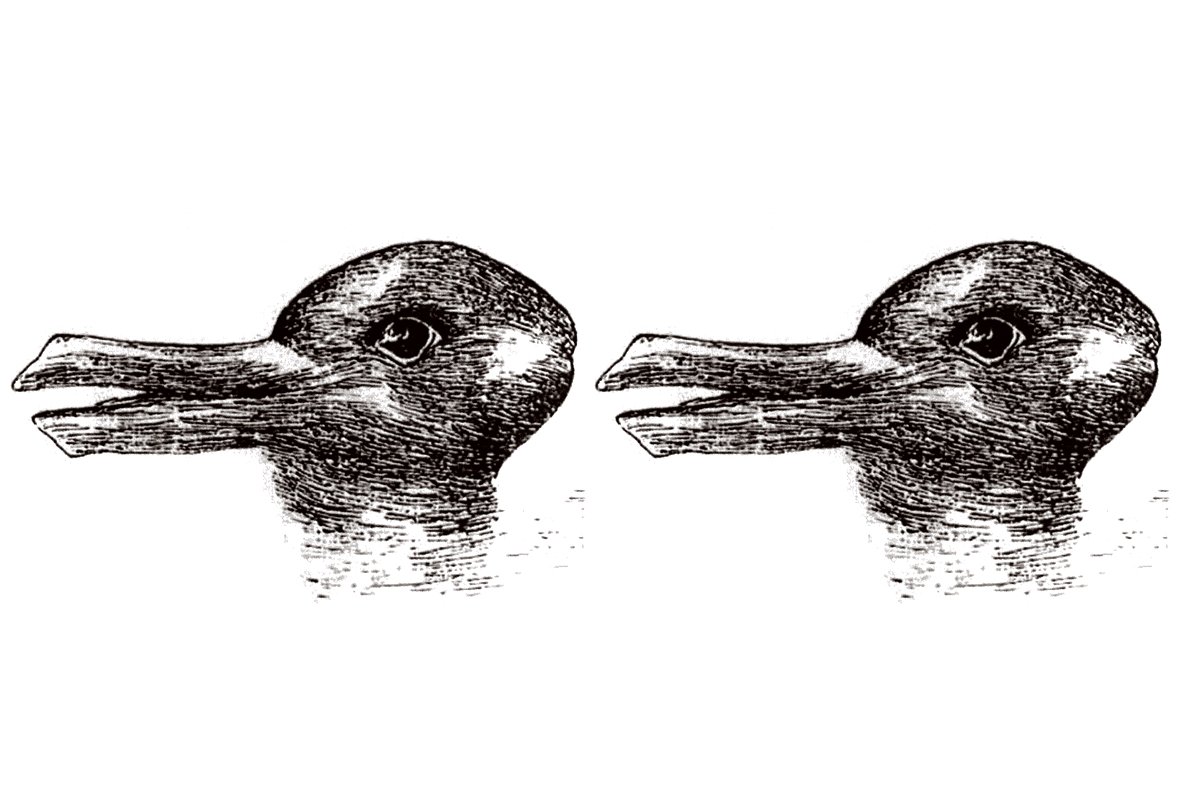
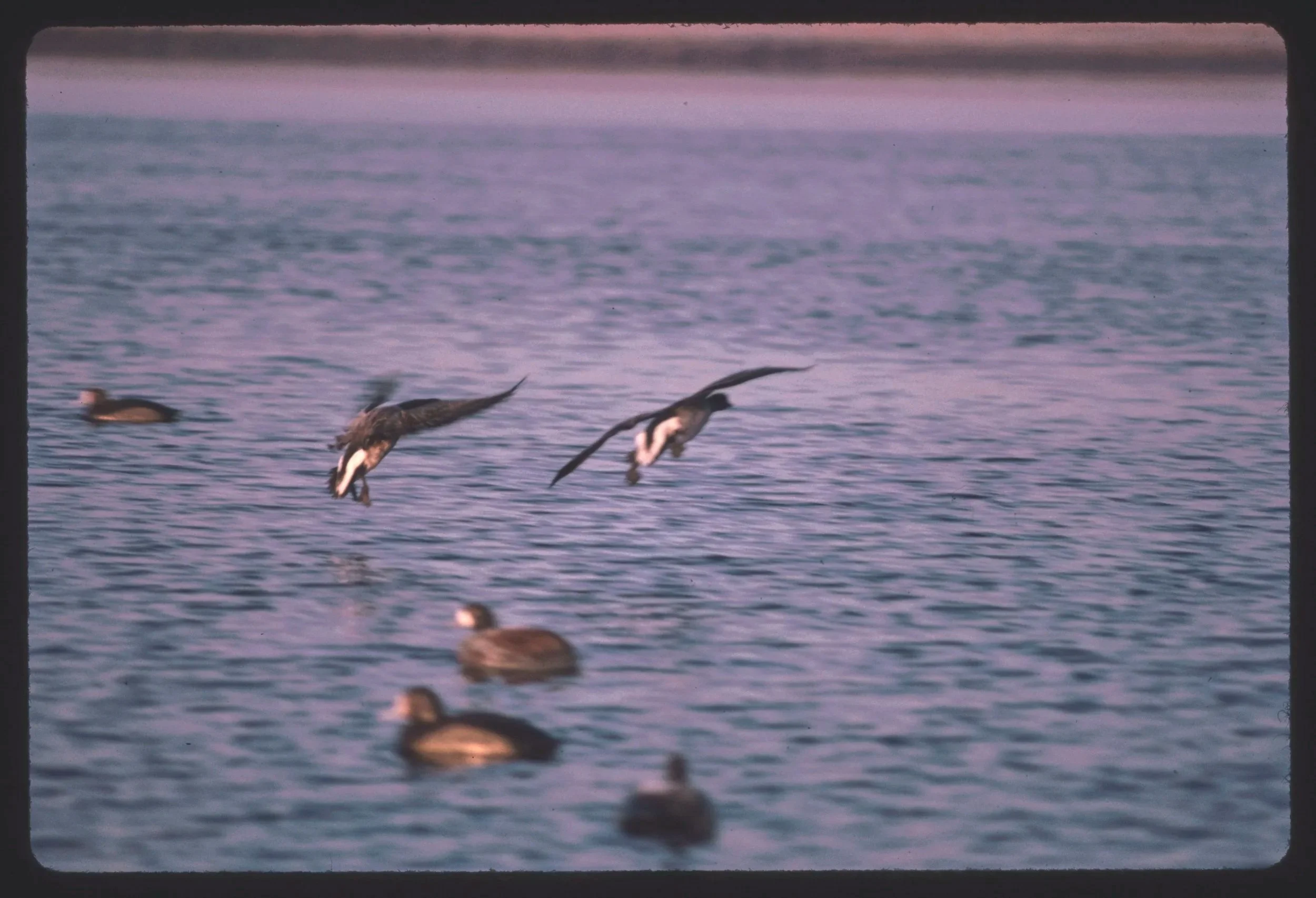
An object crafted to lure unsuspecting prey into a potentially dangerous situation, the decoy floats in varied waters. Hailed as one of the oldest folk-art forms truly indigenous to the lands now known as the United States, the decoy as object, concept, and mimetic operation figures in fields as diverse as psychology, marketing, military strategy, decorative arts, archaeology, natural history, and, significantly for this project, contemporary art. If the decoy embodies a threshold of resemblance that conceals secrets, it might also offer lessons for an art of misdirection: ways of making that rely on the familiar to guide viewers’ perception toward unexpected horizons. Weaving together historical and contemporary examples from Museum of Fine Arts Houston collections and beyond, Logics of the Decoy invites participants to develop an eye for the critical operations of likeness, artifice, subterfuge, and aesthetic seduction in art and everyday life. Together, we will learn to recognize the decoy and harness its powers: to shield sensitive content from the careless, hostile, or uninitiated observer; to elude the hunter(s); and ultimately, to survive.
Logics of the Decoy is a free, open-ended, experimental seminar that will take place from March to May over the course of the 2026 Core exhibition. Designed to accommodate any level of participation, the program will consist of an introductory lecture followed by a series of seminars in the Anne Wilkes Tucker Photography Study Room. A rotating selection of supplementary reading material will be available at the Glassell School of Art and the Hirsch Library.
Introductory Lecture, March 7, 2026, part of the 2026 Core Exhibition.
Schedule
Lecture:
“Decoy Studies: an Introduction”
March 7, 2026, 5pm, Favrot Auditorium
A lecture about that is both about and not about wooden birds. An overview of the series. An invitation, a lure, to join in.
seminars:
Hidden in Plain Sight: Similarity and Subterfuge
April 9th, 2026, 3pm
How do strategies of appropriation, reproduction, and citation conceal or reveal hidden meanings? How have artists endowed seemingly innocuous forms with encoded messages, and to what ends?
A one-hour session in the Study room will be followed by a thematic walkthrough of Frida: The Making of an Icon with Arden Decker, Associate Director, ICAA.
Objects, Desire, and the Market
May 7th, 2026, 3pm
How have artists circulated objects strategically in the market to critique it from within?
Seminars will begin in the Anne Wilkes Tucker Photography Center located in the Beck Building, MFAH, and may travel to other locations in the museum. Further details provided upon registration.
REGISTER